
Meringue Baking Day using free range eggs from the garden

Goose, duck, chicken & bantam free range eggs for sale!
21st March 2017
Weymouth Carnival, August 2017
24th March 2017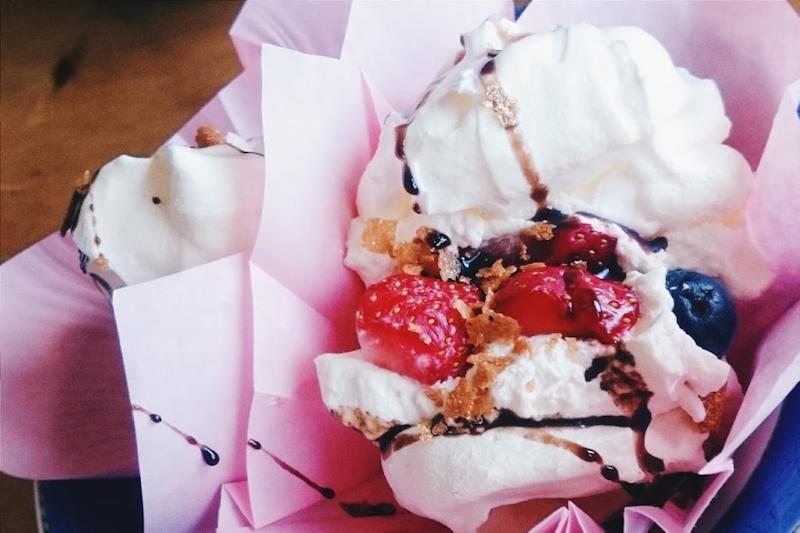
 Meringue Baking Day using free range eggs from the garden. Our birds lay so many eggs at this time of the year on the farm so I have lots of baking days. Today using 10 egg whites I made loads of fluffy white meringues for our guests to sample.
Whether huge, chewy clouds or crisp shells bound by thick whipped cream, meringues are a dessert that always rises to the occasion. A mixture of whipped egg whites and sugar that is baked at a low temperature for several hours until dry on the outside and sticky on the inside, meringues are easy to prepare and extremely versatile. Make them into pavlova, Eton mess, baked Alaska, lemon meringue pie or individual desserts covered in melted chocolate, cream, fresh fruit or toasted nuts.
Meringue is a type of dessert, often associated with French, Swiss, and Italian cuisine, made from whipped egg whites and sugar, and occasionally an acidic ingredient such as lemon, vinegar or cream of tartar. A binding agent such as salt, cornstarch or gelatin may also be added to the eggs. The addition of powdered sugar, which usually contains corn starch, to the uncooked meringue produces a pavlova. The key to the formation of a good meringue is the formation of stiff peaks by denaturing the protein ovalbumin (a protein in the egg whites) via mechanical shear. Meringues are often flavoured with vanilla, a small amount of almond, or coconut, although if extracts of these are used and are based on an oil infusion, an excess of fat from the oil may inhibit the egg whites from forming a foam.
They are light, airy and sweet confections. Homemade meringues are often chewy and soft with a crisp exterior, although a uniform crisp texture may be achieved at home by baking at a low temperature (180–200 °F (82–93 °C)) for an extended period of up to two hours, whilst many commercial meringues are crisp throughout.


